


Property Management Business Plan Sample
In this episode of Property Management Unfiltered, Matt and Kenny discuss the growth and evolution of their property management company, LIV Indy. They highlight the challenges they faced and the strategies they implemented to scale their business. They emphasize the importance of transparency and sharing their experiences with others in the industry.
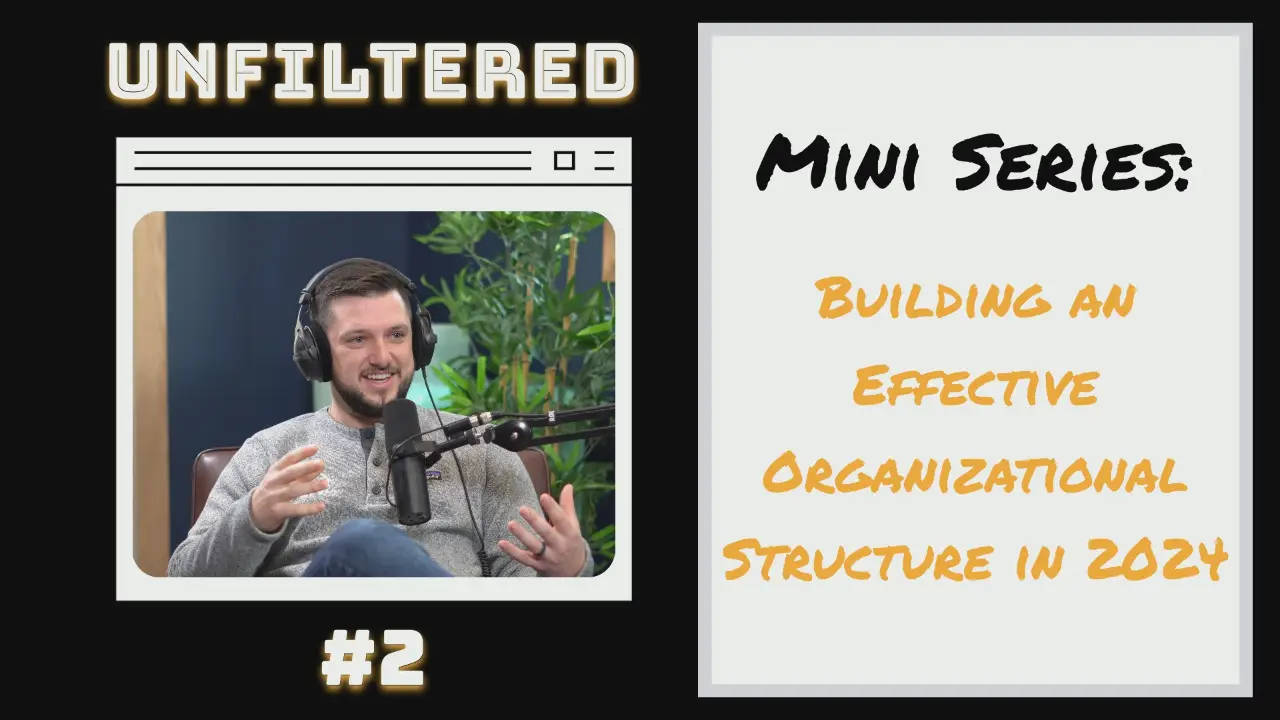 The episode concludes with a discussion on their goals for the future, including reaching 750 doors and a 50% profit margin. They also touch on their team structure and the role of virtual assistants in their operations. Stay tuned for more in-depth episodes on specific topics throughout the year!
About The Episode
Property management can be a tapestry of challenges and growth opportunities, woven together by the firms that undertake the task. In a revealing conversation, Matt and Kenny focus on the underpinnings of their Indianapolis property management company.
From candid insights about their growth struggles to the innovative approaches that fuel their business, they lay bare the realities of scaling a property management firm while maintaining integrity and service quality.
Key Takeaways
Under the Hood Approach: LIV Indy emphasizes transparency and honest struggles that accompany property management growth, highlighting their focus on developing together.
Optimizing Operations: The conversation underscores the shift from traditional, boots-on-the-ground management to automation, tech solutions, and virtual assistants, revealing a strategy for significant growth.
Setting Sights on the Future: With an ambitious goal for door count and profit margins, LIV Indy shares their vision for scaling the business through refined processes and embracing technology.
From Operational Challenges to Scalable Systems
In the world of independent property management, operational efficiency is often the fence that separates thriving businesses from stagnant ones. LIV Indy's journey has been marked by a strategic pivot: from an operationally heavy, gritty startup to a systematized business model. Through this transformation, they've had to tackle the "grind" of escalating a company from a mere 50 to over 473 doors.
The conversation delves into how LIV Indy embraced a systemic approach, focusing on solid, reproducible processes. Kenny recalls, "So how do you then take what's in my head, what I've been executing, and then train it to somebody else?" Acknowledging the need for systemization, LIV Indy’s growth story becomes a testament to the critical role of streamlined operations in business scalability.
Integrating Technology with Human Effort
As the conversation progresses, it becomes clear that technology advancement and virtual assistance are at the forefront of LIV Indy's operational strategy. Describing how their maintenance coordination was revolutionized, Matt reveals that it doesn’t just trim costs but uplifts the efficacy at which tasks like maintenance requests and leasing operations are handled – a recipe for scaling with profitability in mind.
The adoption of AI tech like Aimee, coupled with platforms like Sunroom Rentals, reflects the importance of staying ahead of the curve through tech-enabled solutions. These tools don't simply aid in reducing the personnel overhead but enable a higher level of service with the capacity to manage growth effectively.
Transcript
0:00:00 - (Matt): My goal for this series of LIV Indy conversations is going to be like, let's look under the hood. Let's talk about exactly how we did it. Let's talk about the challenges, let's talk about the things that we aren't doing well. And the goal there is just like, let's figure this out together and let's see how far we can take it.
0:00:20 - (Kenny): The transparency is key with property management because you got to think of out of state owners. These other property management companies, they don't have it all together either, and nobody really does. And I think shedding some light on that is just real and honest and transparent. And this is such a win together move in, just opening up what we're doing. Is this thing on?
0:01:00 - (Matt): Yeah, we'll just kind of get into it. So let's talk about LIV Indy, where we are today. Well, maybe even before that. How did we kind of hook up and start doing this? But I don't think that's as important to just like, where's live Indy today? Because I think what we're trying to accomplish is kind of set the tone for what we've done so far, how we've gotten to where we've been and then talk a bit about where we're going.
0:01:29 - (Kenny): Yeah, of course, the last year has been incredible. Year of growth, right? A lot of challenges, just doors added and complexities that happen with that. So started end of the year 2021 with 203 doors under management. So a lot of systems, a lot of people in the company, a lot of things happening. And word got out. We grew by a lot of referrals and agent leads. So agents in the market, not through our brokerage, and just say, hey, you're a good property management company with integrity.
0:02:08 - (Kenny): Take care of these clients. And so we added a lot of doors that way, some natural referrals. So today we're at 473.
0:02:15 - (Matt): So a lot of growth because I think we're at the end of 2023 right now. End of 2022. That was like kind of a pivotal point in the business because going back a bit, you and I met, you started running the business all the day to day. I was kind of high level strategy. We are kind of slowly growing, right? We get up over 100. Like anyone that's grown a property management company from nothing knows the grind of that first, like 50 to 100 and beyond doors.
0:02:50 - (Kenny): Oh, yeah, hitting 100 was incredible.
0:02:52 - (Matt): Hitting 50 was probably ten times more difficult than 50 to 100, I would say.
0:02:58 - (Kenny): And that the 100 to 200 even was fast. And this last year, looking at 200 to 473.
0:03:05 - (Matt): I'm like, whoa. Well, it's like, at 100 to 200. So what I meant by the ship, like, end of 2022, we had our old original website. We acknowledged, hey, we need to ramp things up. We need to start going to NArPAm events. We need to start to be more connected with best practices, with software. It was less gritty, less just like, getting it done, more like, how do we scale this thing up? And so it started with a website.
0:03:33 - (Matt): We don't have to talk a whole lot about that, but that was the shift where we're like, all right, let's build a website. Let's level ourselves up. Let's try to generate some leads online. And then still let's be gritty. Because a lot of our growth was like, referrals.
0:03:47 - (Kenny): Yeah, I think some of that, too, was growing the team and making sure that we have some people to help do those things, because the 50 to 100 was still mostly me in putting a lot of hats on and saying, like, I'm going to respond to that tenant maintenance request. It's like, now I don't do that.
0:04:03 - (C): Right.
0:04:04 - (Kenny): So how do you then take what's in my head, what I've been executing, and then train it to somebody else? We started really focusing on our playbook, our systems processes. Those things allowed us to add more doors while I'm not doing all the data.
0:04:18 - (C): Yeah.
0:04:18 - (Matt): And I think your level of quality, you always talk about, our systems need to be better. We need to be, like, world class service. We need to be 100%, just the, by far best property management company in Indianapolis. I've always pushed back a little bit there because I definitely get why that's important, but I've always said, hey, let's just be really solid. And I think 2023, we were really solid in the areas we needed to be, but it was an emphasis on growth. Like, you can't go from 200 and whatever, 203 doors to what are we at today? Like, you can't do that without focusing on growth, and that being the number one priority. So how do you think we balance that in 23?
0:05:08 - (Kenny): Yeah, there's a lot of growth conversations I'd have, sales calls, onboarding of owners, new properties, and working through those systems and iterating every 50 to 100 doors. It's like, hey, how do we support onboarding a large portfolio? That's a lot of tenants to talk to, a lot of security deposits to collect, a lot of new maintenance to collect, a lot of current rent roll. All these things come in and it's either you're onboarding one door or 20 doors, depending on the client, and you have to have the systems in place to be able to support both equally.
0:05:42 - (C): Yeah.
0:05:43 - (Matt): And I think we're talking about adding like 200 plus doors, 250 doors. And your emphasis is on operation.
0:05:50 - (Kenny): Yeah, absolutely.
0:05:51 - (Matt): Most people would just be like, how do you grow? How were you getting that many leads? And we can dive into that and talk about how. I think my goal for this series of LIV Indy conversations is going to be like, let's look under the hood. Let's talk about exactly how we did it. Let's talk about the challenges. Let's talk about the things that we aren't doing well. And the goal there is just like, let's figure this out together and let's see how far we can take it. Because the reality for us now, like an example of us looking under the hood today, heavy growth, lots of different people, turnover, our margins.
0:06:33 - (Matt): What is our margin right now? 20%, 22%, something like that.
0:06:36 - (Kenny): Yeah, we're almost at 20. We're 17 today.
0:06:39 - (Matt): 17 today, yeah. Okay. I think the average in the industry is like 22%. So when you add that many doors, there's going to be a lot of money moving around. And that's where we are today. Our objective for 2024 is to finish the year at 750 doors at a 50% margin. All right, so pretty lofty goal.
0:07:01 - (Kenny): I'm excited.
0:07:01 - (C): Let's do it.
0:07:02 - (Matt): Yeah, I mean, I think that's exciting. I think we can do it. So the objectives we're going to walk through, kind of like where we are today and then be able to talk through just like, the steps in real time as we're growing, trying to hit that goal and just completely get into it. Who knows? Maybe we'll completely fall on our face and it'll be really embarrassing and we'll have, like 200 doors by the end of the year.
0:07:27 - (Kenny): Yeah, I don't think so, though, because I think regardless of talking about the pains that live India has had and through the growth, the transparency is key with property management because you got to think of these out of state owners, these other property management companies, they don't have it all together either. And nobody really does. And I think shedding some light on that is just real and honest and transparent.
0:07:51 - (Kenny): And this is such a win together move in, just opening up what we're doing.
0:07:57 - (Matt): I thought it was funny. You throw out just a subtle win together, throwing your eos core values into the conversation. I think that was probably our big end of 2021. We read traction and that's helped us be a little bit more organized, but yeah.
0:08:13 - (Kenny): Do you remember all three of them? Core values.
0:08:15 - (Matt): Win together, unleash the hustle and put me on the spot. The other, I'd come up with it, but I'm blank. It's early in the morning right now.
0:08:25 - (C): Yeah.
0:08:25 - (Kenny): So it's more around the integrity side of things. So never settle. Win together. We're going to have to cut this part out.
0:08:36 - (C): That's all right.
0:08:37 - (Matt): We can keep it. It's win together. Unleash the hustle, never settle. Aren't there three?
0:08:41 - (Kenny): Win together. Unleash the hustle. It's not never settle. Do the hard thing.
0:08:48 - (Matt): Do the hard thing. That's way better. I think that was one of the companies in the example had do the hard thing. And we like that. Property management sucks. It's hard.
0:08:58 - (C): It's difficult.
0:08:58 - (Kenny): Do the hard thing is multiple prongs, though, because it's all about, yes, you got to show up, you got to do the hard thing. Put in the work and do it well instead of taking the shortcut.
0:09:09 - (C): Right.
0:09:10 - (Kenny): But then it's also about integrity. Do the hard thing, because the easier thing might be to have the subtle lie that gets you forward, and it's like, well, no, I haven't actually started that, but I'll just say I did and get it done tomorrow. No, that doesn't get you anywhere.
0:09:25 - (Matt): That doesn't scale. And there's a lot of property managers that are cutting corners for sure. Well, I want to talk about. So how are we generally going to get there? And I think it's an emphasis on software automation, virtual team members. Right. If you want a 50% margin, you have to have a team structure that the labor cost scales and also is relatively affordable. And so I think that's a big piece.
0:09:56 - (Matt): I think in the industry right now, there's a couple of things happening. There's a big roll up, a big consolidation that's happening. All the big, huge companies, the Wall street backed companies are coming in, buying all the mom and pop property managers, and that's happening like a big wave. And it seems to be getting bigger.
0:10:15 - (Kenny): All the single family homes, too.
0:10:17 - (Matt): Yeah, I mean, it's just like they're gobbling everything up. So I think it's going to become, in general, in the general market view, it's like it's going to be more and more difficult to compete. And when you think about what we're trying to do, I actually think what we're doing, emphasizing technology and really getting into the trenches of how this needs to be done. I look at a company like pure property management.
0:10:43 - (Matt): Pure is $50 million in backing, and they're coming in and buying all these property management companies, talking about how they have better tech and better systems, but the reality is they're just using a hodgepodge of different technologies.
0:10:55 - (C): Right.
0:10:56 - (Matt): I think we can kind of come into this and really operate with a similar model that they have because I think their objective is similar profit margin, and the whole thing is the same. But I feel like we're the small dog trying to operate in the same way, which is kind of fun.
0:11:11 - (Kenny): Yeah, it's fun to be where we're at because we're at that size, where I would say respectable.
0:11:18 - (C): Right.
0:11:19 - (Kenny): Is the word that comes to mind, because we're big enough to have figured out enough to keep it going, keep the train on the tracks, know what we're doing. Reputable people know the name, but still small enough. We got a long way to go in terms of the big players, and there's a lot to learn from them, and then there's a lot to kind of force into the industry and say, this is how we should do it. You and I have got some awesome tech experience in our history, and so leveraging that with the systems, with the operations, with the tech, is going to allow that hockey stick growth in terms of margin and doors and keeping it really quality still moving forward.
0:11:56 - (C): Yeah.
0:11:56 - (Matt): And I think we know what we're trying to do.
0:11:58 - (C): Right.
0:11:58 - (Matt): We're not trying to compete with an ever nest or a pure. We're not trying to have 100,000 doors or whatever lofty, crazy gold that they have. That's not in a negative way. That's awesome that they're doing that, but we're just trying to build a good, solid property management company in Indianapolis that is operating so well that we don't have to eventually sell with this big roll up that's happening.
0:12:28 - (C): Sure.
0:12:29 - (Matt): So, team structure wise, let's talk about where we were last year. What was the mix between local Us based team members and, like, what that looked like?
0:12:43 - (C): Yeah.
0:12:43 - (Kenny): So we had eight boots on the ground end of last year. It's a mix of account manager model, so agents that are representing investors, excuse me, transactions that they want to buy or sell, and then as they sell them, drop them in the top of the funnel and then become management properties. So we had a few of those, and then we had operations and just doing the day to day phone calls, the lease signing, the onboarding to our property management software it's admin role. Then we had leasing show up to the door, answer the door as the tenant walks in, greet them with a smile, make sure the lights are on, all good things, right.
0:13:27 - (Kenny): And then we had maintenance. So someone that can run out and do a lock change, put a lockbox on a door but then also respond to the request of the main drains backing up in the basement and got to get the plumber out there and monitor that, go take photos, upload it to the portal, make sure the owner is involved and approved all the nitty gritty of all those different roles, boots on the ground. And then we had kind of think of all those roles and then an extension of them as kind of an assistant type role with our virtual assistants.
0:13:58 - (Kenny): So you might have somebody within maintenance that's virtual assistant. That's just doing the follow up on the communication, just making sure it's pushing it forward. Almost micromanaging the manager to make sure that the small bows on everything get tied up.
0:14:12 - (C): Yeah.
0:14:12 - (Matt): So that cost, if we kind of just added up chicken scratch kind of math. You had a maintenance manager making seven grand a month. I do everything monthly. That's like property management.
0:14:26 - (Kenny): Yeah, about seven grand.
0:14:27 - (Matt): So then you had leasing manager, they were doing the showings. It was very commission based. But there was a base too. What was the base?
0:14:34 - (Kenny): Base was 24, 24,000.
0:14:36 - (Matt): So 2000 a month. So we're at 9000. And then they were probably on the leasing side, growing that fast. They were probably making seven, eight, 9000.
0:14:45 - (Kenny): Yeah, average seven, probably around 80.
0:14:47 - (Matt): So let's call that between leasing and maintenance. The two, the big ones, 14 grand. And then we had your basically CEO, market manager, CEO comp as well.
0:15:02 - (Kenny): That was ballpark for me because we had a market manager as well in place. Oh yeah, we have myself and we've got another operations admin basically, but elevated to be a market manager type role that we worked in tandem.
0:15:18 - (Matt): What was the combined between the two of you? So you and the market manager, 9000.
0:15:23 - (C): Yeah.
0:15:23 - (Matt): So you're taking your classic founder level, taking a little haircut so you can get the equity, grow the business. Yeah, that's sacrifice.
0:15:31 - (C): Yeah.
0:15:31 - (Matt): So 9000 is 1420, 3000. It's early in the morning. My math. Okay.
0:15:36 - (Kenny): Yeah, you got it.
0:15:37 - (Matt): I'm picking up some steam here. All right, so 23,000, I jinxed myself there about rounded up 23. Then the vas.
0:15:47 - (C): Right.
0:15:47 - (Kenny): Then we had Vas and that was total in about 6000 across the four of them.
0:15:51 - (Matt): So 29,000. Okay. And then we had tech costs, we just signed up with. My company was starting and we just signed up for that. You got bildium. At the time we had lead simple. Right. What other softwares did we have back then? Not as much, but we still had software.
0:16:14 - (Kenny): Today we're using property meld. That wasn't there. Yeah, we had the buildium cost, but obviously that cost grows with door count, pay by the door. The other ones we were using, we were using some CRM and project management type softwares, like Monday and ClickUp. We're kind of using the combination of both of them for different skill sets.
0:16:37 - (Matt): We had like mybor fees, which is like metropolitan Indianapolis realtors. It was just like our local fees.
0:16:44 - (Kenny): Legal calendar link.
0:16:46 - (C): Yeah.
0:16:47 - (Matt): So let's round up. Let's say we were at, what would you say? 40,000 a month was probably like from 29 at the labor cost, round up with tech costs, overhead, we were probably 40,000 a month.
0:17:01 - (C): Right.
0:17:02 - (Kenny): It's close. Probably just shy of 40. Because I was thinking we're probably around six, seven k for tech and subscriptions.
0:17:09 - (C): Yeah.
0:17:09 - (Matt): So we're 40,000, ballpark a month. That's 480,000 expenses at the time we had. Because we really geared up to that early.
0:17:18 - (Kenny): Yeah, we did proactively spending.
0:17:20 - (Matt): If you build it, they will come. We were like, this is what we're trying to do. Let's do it. We had enough budget to actually be able to go chase that down. So at the time we had, let's say 205 doors at. What's our average rent at the time? Probably twelve, 1300.
0:17:38 - (Kenny): It was 1250.
0:17:39 - (Matt): 1250. So 256, 250 times average management fee was probably 9% plus leasing fee plus, et cetera. We were probably averaging 15% of that on a whole. So, I mean, 38,000, 437. Right. So at the time, we're fucking break even. But that's how much we believed in what we were trying to do. We're break even knowing that that team could scale, like, at the time, that was our mindset.
0:18:12 - (C): Right.
0:18:12 - (Matt): We're like this team's foundation of LIV Indy. This is where we're going.
0:18:16 - (Kenny): This is going to scale very much. Real time on the tax return from last year was a loss, and so loss of minimal.
0:18:24 - (C): Right.
0:18:24 - (Kenny): I think it was like ten k across the owners. So not much.
0:18:28 - (C): Right.
0:18:29 - (Kenny): But break even.
0:18:30 - (Matt): Yeah, but it's like, funny because we're going to talk about what happened. We'll keep it pretty high level, but we're going to talk about what happened in 2023. We start at a break even kind of a model knowing that the margin would go up and it did and it worked. But looking back on it, it's like, funny. You don't know what you don't know. We would have built it in a way that we're going to do in 2024, which I'm excited to dig into because it's like such a better model because you can have both. You can have the rapid growth and you can have the profit, right?
0:19:07 - (Kenny): That's possible to go back two years ago and know what we know now.
0:19:11 - (Matt): Yeah, I feel really enlightened now.
0:19:14 - (Kenny): You don't know what you don't know until you're doing it. And that's part of the whiteboarding. You and I always love you go back to your small room at your Capitol house and just whiteboarding, brainstorming different things, and it's like, whoa, that aha moment. And then you just go and execute it. I mean, that's part of small business, right? Is you come up with an idea one day, executing it the next day, you have time to iterate the next week because you're already seeing how it's operating.
0:19:37 - (Matt): And the reality is, too, even if I'm going to talk a lot about, hey, we don't want to sell to the big dogs, it's just my personality and I think, I believe what we're trying to do is we're trying to build something that can last, that can be ours, that we don't have to ever do that. And our business model and the way we operate will be so solid that it won't be like, oh, we're just being stubborn. And the other companies running with those new tech models and efficiency and all that, they're better.
0:20:10 - (Matt): And somehow we're staying alive. No, I want to be there and also be better. And I think that's really going to be the case. But at the same time, you can run at a break even and fire door count up and sell those contracts. You can sell your company if you're breaking even, adding these contracts and three 4500 doors and you're just breaking even. When you sell, they're going to buy based on your revenue. They're not likely not going to be buying based on EBITDA, right?
0:20:42 - (Matt): Anybody that's like listening to this, it's like thinking about it in that way, that's okay too, right? It doesn't have to be perfect, but okay, so we're break even, we start to grow. What shifted. Now we'll talk a little bit about what's our team structure going to be like in 2024.
0:21:01 - (Kenny): 2024 is very minimal, boots on the ground, one, maybe two, and then heavily invested in the virtual assistant model. And I think that the key with that structure is how they're managed and how they're trained. So building consistent training and consistent check ins and then having management accountability to those KPIs and how they're trained to move forward and escalate things.
0:21:31 - (Matt): Talk to me about the management accountability with vas. I think people struggle with that. So how do you think through that accountability KPI side of things?
0:21:40 - (Kenny): Consistent conversations. Right. And they need to feel as if they're a part of a day to day team.
0:21:46 - (C): Right.
0:21:46 - (Kenny): You can't just expect that this person's going to take your task and run with it and build a strategy. That's not the strength. The strength is do this specific task as it's taught very well, repeatable, consistent. And the things that are a challenge within property management is no two problems are done the exact same way. So then how do you train if then type situations? Those are through conversations and enabling tech approach and being available as a manager is key. So we use Gchat all the time. It's always going off.
0:22:25 - (C): There's always.
0:22:26 - (Kenny): Yeah, and those are just opportunities for the virtual assistants to fire off. Questions? Hey, this scenario, typically I do it this way. How do you want me to address it?
0:22:35 - (Matt): Yeah, and I think it's a combination. So when I think about the model, it's remote team members, Vas plus technology, like AI especially.
0:22:47 - (C): Right?
0:22:47 - (Matt): Because that's where a lot of the automation efficiency can come from. So taking Vas plus AI and we can show specific example with Carlos, our maintenance VA, that is a perfect example. Taking those two pieces I really think are the combination that makes it all work because those two things scale.
0:23:09 - (C): Right?
0:23:10 - (Matt): Like because of the cost of the Vas. Like if you need to add another maintenance coordinator because you have another 200, 300 doors, you can do that. And it's the model like you make more profit as you grow in that way. So cost wise, where are we at? We're context two and a half times bigger. What's our overhead right now?
0:23:33 - (Kenny): Yeah, so we've got one boots on the ground, that's myself.
0:23:36 - (Matt): We're probably going to add someone else as well. But your cost is what?
0:23:42 - (Kenny): Yeah, 6000.
0:23:43 - (Matt): And I think that's important. That shows again the sacrifice. Like you're doing way more value than 6000 a month, but you're operating in a way that when you replace yourself, the bottle will still support it.
0:23:53 - (C): Yes.
0:23:54 - (Kenny): Looking forward to paying someone that and taking a look.
0:23:56 - (Matt): Yeah. Because then the profit is there and you're sipping a drink somewhere on a beach and hanging with the family or whatever you're going to do.
0:24:04 - (Kenny): But manage the KPIs, though. I think that's key too. Some of these property management companies scale to the point where they're like you and I, maybe we just want to spend time on the beach and let this thing operate. And that's never been our long term vision.
0:24:17 - (Matt): I can't do that.
0:24:18 - (Kenny): We want to be in it maybe less than 60 hours a week.
0:24:23 - (Matt): Well, yeah, I think when I was younger I had that same mindset. Everything I was doing was like to retire early and not work and just sit by the beach. But I do like sitting by the beach. Absolutely. That's when I have my best ideas and then I want to go do something new, more value add, that kind of stuff, but kind of getting back into the cost. So you're 6000, then you have, let's say what will we be? Because we're about to make a hire in Q one.
0:24:50 - (Matt): That's going to be like an operations manager, market manager, whatever the title is. We'll update everybody on what that'll be, but it'll likely be a $60,000 job, maybe some bonuses in there. You'll elevate to the leadership team. You may have like a part time kind of like base comp. Let's throw that piece out because that's a little hard to think through.
0:25:13 - (C): Sure.
0:25:14 - (Matt): So you elevate to leadership team. More strategy, passive. You'll still be active but you could be passive. 6000 on the operations market. Manager Vas, what will, like right now we have what, like six, seven, eight vas?
0:25:31 - (Kenny): We have seven vas right now and total cost is 7500 a month.
0:25:35 - (Matt): Crazy. Okay, so 7500 plus 613. Five. So we're running 450. What are we at? So 473 doors and it's 13,500. We're operating the business with that labor cost.
0:25:55 - (Kenny): That's right.
0:25:56 - (Matt): That's awesome.
0:25:57 - (C): Yeah.
0:26:00 - (Kenny): We have day to day struggles, right? And those are things that we're working through as we iterate the new team structure. It's a lot of hiring and it's a lot of redefining the roles and responsibility. These conversations we've been having right now, and I think that's the piece is like, hey, we've had quite a bit of turnover in the last six months as those roles have gone away. Yes, we have rehired, but we've gone the approach of this new virtual assistant model. And some of those need some iterating and the training well.
0:26:34 - (Matt): And we also didn't. From my memory, we didn't pull the band aid off. It wasn't like one day we got out of a leadership meeting, and we were like, fire everybody, hire Va. No, it was more of this natural progression. To where? One example I can think of is we had a maintenance manager that wasn't performing super well. We were using property meld, which was great. I really like property meld. And it had the tenant satisfaction score that's going down.
0:27:03 - (Matt): Time to completions, taking longer. And we're like, holy shit, we're paying this guy, like, seven grand. And then we dig into it, and we're. He's.
0:27:12 - (C): He.
0:27:12 - (Matt): His incentives weren't aligned with ours, and we had to replace that. So we hired a guy like, what was that? Know? We hired Carlos. But talk me through that. Did we use a company to find him?
0:27:24 - (C): We did.
0:27:25 - (Kenny): We used Anaquim. Highly recommend. Gave us an awesome connection with this virtual assistant. Had a few interviews, and selected him based on high customer service attitude and process and system driven. And that's exactly what he is.
0:27:43 - (C): Right.
0:27:44 - (Kenny): He's very approachable on the phone, very good at deescalating conversations, which is perfect for that role, because you imagine as you're answering tenant phone calls and questions, everyone's frustrated.
0:27:57 - (Matt): I think a really good maintenance coordinator could, in another life, be like a hostage negotiator. Yeah. If they're really good at it, they're able to calm the tenants down. Take some breaths. You're like sending someone out to the house to go in. It's very similar, but quick plug on.
0:28:15 - (Kenny): Never split the difference.
0:28:16 - (C): Exactly. Yeah.
0:28:16 - (Matt): There you go. Great book, by the way. If you haven't read never split the difference, I think any property management, company owner, leader should read never split the difference.
0:28:25 - (Kenny): Fun read, too.
0:28:26 - (Matt): Like Chris Voss. He was like a hostage negotiator. He trained the CIA, and then he went to Harvard and taught. He translated it to basically hostage negotiation. To negotiation business and parallels. Pretty cool. But I need to reread that now.
0:28:45 - (Kenny): Actually, once a year.
0:28:47 - (Matt): Once a year. It is a once a year kind of book. You've got to practice it, like some of the strategies, but kind of going back to what we were saying. So, Carlos, he costs like, what, 2000 a month.
0:28:58 - (Kenny): 2000 a month?
0:28:58 - (C): Yeah.
0:29:01 - (Matt): That's like a really good cost, but it's a little bit more expensive going through anequim.
0:29:05 - (Kenny): Yeah. But some of those things, from the virtual assistant perspective is there's some benefits included. There's some PTO included, and there are some tech costs included.
0:29:15 - (Matt): Do we pay Anaquim or do we pay Carlos?
0:29:18 - (Kenny): We pay anequin. Anequin pays Carlos.
0:29:20 - (Matt): Got you smart. I like that. I think that we have that support system there with them to like. It's almost like a Mini hr type environment there.
0:29:31 - (C): That's good.
0:29:35 - (Matt): How does that work? Carlos uses our Amychat tool. A maintenance request comes through propertymeld. He takes that maintenance request and a lot of pretty much every times copying that into amychat.
0:29:51 - (Kenny): However, it's written by the tenant, he copies it verbatim, puts it into property management's Amy chat, and it gives a recommendation on troubleshooting steps, which is key, because I think a lot of property managers will just assign it to the handyman, assign it to the vendor. That is their go to person, and then that's the owner's spend for something that could have been troubleshooted on the front end. And so what Carlos is doing is successfully closing 8% of our work orders by just troubleshooting.
0:30:20 - (Matt): What about the property managers that are like, well, no, wait a second. I want the maintenance request to happen because I want to make money on it.
0:30:28 - (C): Sure.
0:30:29 - (Kenny): It is a profit.
0:30:31 - (Matt): So if that's the reality with a lot of people, why would we want to de escalate those issues and troubleshoot them?
0:30:39 - (Kenny): Yeah, for us, it's the long term. It's always a long term. And that's how property managers should think, is that the long term gain of property management is growing together.
0:30:51 - (C): Right.
0:30:51 - (Kenny): It's a win together mentality.
0:30:54 - (Matt): Like with the clients, you mean? In a lot of ways.
0:30:56 - (C): Yeah.
0:30:56 - (Kenny): This just goes back. It's like, hey, client. Yeah. You had a no heat call. That sounds expensive, right? Well, no, because we troubleshooted it, and the batteries on thermostat needed changed. And we walked through the tenant how.
0:31:09 - (Matt): To swap them out, when in a lot of case, like, in probably 99% of cases, it would have been an HVAC company doing a minimum show up fee. They probably would have bullshitted around, and maybe 20% of them would have actually just made something up, and then it would have been a five $600 cost.
0:31:27 - (Kenny): Yeah, well, or minimum 180. And they clean the flame sensor because it could always be cleaned.
0:31:34 - (Matt): It's like, it's smoother, it's more predictable, it's less conversations with owners where we have to explain what happened, we have to justify the costs. We have to talk about why their maintenance was so high this year. When you eliminate those effects of the cause of operating that way, it adds up, and I think it puts a lot of burden on most property management companies. We're getting in the weeds there. But that's how important, I think, the core business of a property manager, for the most part, maintenance and leasing.
0:32:05 - (C): Yeah.
0:32:05 - (Kenny): I'll just go one more step further on the Amy chat. Like a garbage disposal.
0:32:10 - (C): Right.
0:32:12 - (Kenny): It jams up. It's a very consistent problem. And Carlos will walk through the steps on how to use the Allen wrench that is stored underneath the sink and twist it underneath just to unclog it. And most of those are closed. And then if it's not and that tenant has done that, of course, we send the handyman, and then we have a preferred negotiated rate because we send him $150,000 worth of revenue every year. And so it's like you're obviously incentivized to do a good job, perform well, get a good, high tenant satisfaction score, and Carlos manages that start to finish.
0:32:43 - (Matt): The reality is that up to now, we have 450 plus doors managed by $2,000 labor cost. With a little bit of software thrown in.
0:32:56 - (C): Yes.
0:32:56 - (Kenny): And key KPIs.
0:32:58 - (C): Right.
0:32:59 - (Kenny): So then it's managing the virtual assistant, and I think that's the key to managing the scale. With virtual assistants. How do you manage their success?
0:33:09 - (Matt): Carlos can't manage the maintenance process for, like, 15,000 doors. So that's an extreme example. Like, what's the number where we need to hire another maintenance technician?
0:33:18 - (Kenny): Probably in another 50, because he came on when we were around 400. So he's grown with us almost another 80 doors. And we've had conversations recently where about that 525, 550 number. And so we'll probably look to be hiring early in the new year to add another virtual assistant to get ahead of it.
0:33:39 - (Matt): When you say it's a maintenance VA per 200 and 5300 doors, that's about it, yeah.
0:33:45 - (C): Okay.
0:33:46 - (Matt): So kind of going back to the general structure. I mean, I loved going that deep into maintenance because it's such a core function, leasing. So we'll talk through leasing, and then we can talk through some of the other admin roles, and then what I want to do is talk about, okay, hey, here's where we are cost wise, relative like we already talked about pretty much break even. At the beginning of the year, we're making 400 and 5500 thousand dollars revenue.
0:34:14 - (Matt): We're projected for the year if we had no growth, and then that was generally our cost. We were feeling the growth, which is a big reason why we were operating at break even, flash forward to now. Costs are way down, way more systemized, way better processes, way more profit. Let's talk about leasing first, and then we can kind of talk through where we're going to head and how we're going to get to that 750 and 50% profit margin.
0:34:43 - (C): Yeah.
0:34:44 - (Kenny): So leasing historically was boots on the.
0:34:46 - (Matt): Ground, just like traditional leasing agent, licensed.
0:34:50 - (Kenny): Agent, someone to open the doors, someone to screen the applications, assisted by a virtual assistant to do the application verification, things like, is this really your employer? Is this pay stub real? Is this credit report real personal references, phone calls, and gather all that data, present it to this leasing agent and they review it and make the final review and very successful. To be honest, it was great.
0:35:17 - (Kenny): It doesn't scale in the model because it's expensive. And really it becomes a bandwidth issue, especially in the spring and summer months where it's heavy leasing time. Because in the midwest you want to be a summer to summer leasing cycle because that's when everybody moves. No one moves in the dead of winter. So you want the demand to be high, you want your rents to be high, so you line up your leases to end around that time frame.
0:35:41 - (Kenny): So made the move to switch to sunroom rentals and sunroom rentals out of Austin. We're the first platform here in Indianapolis. So they're in 15 other cities and we're the 16th.
0:35:56 - (Matt): We put some pressure on them.
0:35:58 - (C): Yeah.
0:35:58 - (Kenny): And they've been fantastic. Their team is very responsive. And so what they've allowed us to do is scale with leasing while adding the team for a flat cost.
0:36:09 - (Matt): And they're really rethinking how leasing should be done. Residential property management.
0:36:14 - (C): Yes.
0:36:15 - (Matt): And they also work with institutional type operations as well, like big, large reits. So small or large, they can make it happen. But I think that's where the industry is heading. You'd mentioned, I think you said it just doesn't scale.
0:36:33 - (C): Right.
0:36:34 - (Matt): There's a lot of people that operate with this traditional leasing model. Covid really pushed that forward where it forced people's hand to do the whole self showing tenant Turner show mojo, like all that. And people were like, oh, shit, there's like a lot of margin here.
0:36:50 - (C): Right.
0:36:51 - (Matt): And wow, people actually lease these properties and then the AHA goes off. But even those companies operating in that way still have labor cost of people that are overseeing that process and facilitating it. Right.
0:37:05 - (Kenny): I'll add a lack of actionable data, which is what Sunrun provides.
0:37:12 - (Matt): Yeah, sunroom is like, the analogy I would use is most leasing processes, even if they're doing the self showing model. Like, let's say that's the scenario. It's like self showing model. They've got all that set up, but they've got a little bit of human labor behind that, kind of, like, orchestrating it. That's like a Mazda Miata. It's nice. It's a quick little car. It works, gets the job done. But I think sunroom and the data and the pure SaaS and the millions of investment they put into their tech.
0:37:46 - (Matt): It's like a supercar. It's like a Ferrari. Whatever. I don't even know cars very well. You actually know cars better than me. But that's, to me, the difference.
0:37:55 - (Kenny): It is to the point earlier. It scales really well because what, traditionally, we had two people focused on growing our leasing. Now we have different departments across sunroom. And I know that multiple people on their team are looking at our applications regardless of the amount of volume that comes through. We haven't been with them that long. It's been four or five months and total. And in the last three months, we've signed twelve leases in the dead season. I think that's great.
0:38:35 - (Matt): How many do you think we would have signed with our old process? Just, like, raw reaction.
0:38:40 - (Kenny): Probably about 80% of that.
0:38:41 - (Matt): So you think we'd sign more with their system?
0:38:44 - (Kenny): Yeah, because we've solved the bandwidth problem with sunrise at a scale and the volume that we have.
0:38:53 - (Matt): Bandwidth problem.
0:38:54 - (C): Talk about that.
0:38:54 - (Matt): What do you mean by that?
0:38:55 - (Kenny): There's just not enough time in the day to follow up with the amount of leads that were coming through. And so you're an owner, and you're like, why has my property been on the market for more than 30 days?
0:39:05 - (Matt): I imagine it to be this stop start. One day you're responding to everyone, and you're going out and, oh, shit, let me go walk that property and just double check. You're going out and just, like, hustling, getting the job done. And then another day, you are bogged down with some other issue. Pipes froze over at 1234 Main street, and you got to go figure that out.
0:39:27 - (Kenny): Yeah, but specifically on leasing, right? That's maintenance problem, right?
0:39:33 - (Matt): Sucks you over there, right?
0:39:34 - (C): It does.
0:39:34 - (Kenny): Because you showed up at the vacant property, and you're like, oh, there's now this problem. Submit it to maintenance. Take that one off market. But with Sunrun's model, there are still self showings happening. But the time that a self showing happens.
0:39:52 - (C): Right.
0:39:52 - (Kenny): And we'll get feedback every single time from these prospective tenants. And they'll tell us either price too high, dirty, whatever it is. So we have actionable insights to push this forward. But then if, let's say it goes seven days with no showings, sunroom has boots on the ground that are walking these properties proactively to make sure that. Well, is this still showing? Well, is the property in good condition?
0:40:23 - (Kenny): Indianapolis has had break ins. Is there any break in that's happened? What do we need to do to push this thing forward? So we've got the boots on the ground support through a third party vendor as sunrun.
0:40:37 - (Matt): I hate the word outsourced, but yeah, we've outsourced it. I think when people think outsourcing, they think lack of quality. You're giving up something. But with software, when you outsource your maintenance coordination to propertymeld, that's software. You're not outsourcing it, you're supplementing it. Right.
0:41:03 - (Kenny): The key with sunroom is, yes, outsourced is a technically correct term. However, I think of them as an extension to our team because I know the people there very well. Now, we work on a weekly call going through the data, going through the observations. The boots on the ground know who I am, called me about things. And so it's more of an extension of our team through an outsourced model.
0:41:28 - (Matt): Well, and I think there's two components.
0:41:30 - (C): Right.
0:41:30 - (Matt): There's the outsourcing piece, which I'll admit it is outsourcing. That's reality. What it is. You're outsourcing it to their team to facilitate the actual leasing function.
0:41:40 - (C): Right.
0:41:40 - (Matt): But they also have this other piece, this software piece. They're using the software and the data and the real time insights to make their operational side of it work and work better than what we otherwise could have done. So that's why I think it's a comparison to, like, property meld, where you would never say, oh, I outsourced my maintenance coordination process to property meld. No, you use this software and then we outsourced it to Carlos and then the two combined operate better.
0:42:08 - (C): Sure. Right.
0:42:09 - (Matt): And so I think that's what we're doing.
0:42:11 - (C): Yeah.
0:42:12 - (Matt): And hopefully, like in twelve months, we're still talking about how sunroom rocks and they're killing it.
0:42:17 - (Kenny): What's cool, too, is they provide professional photography. The signage, the lockbox support, the property condition reports. It's pretty wild.
0:42:28 - (Matt): And owners can probably, like, they can log in and see their data and showing information on their properties.
0:42:34 - (Kenny): Yeah, they just came out with weekly owner feedback. So in a Monday morning email sends.
0:42:42 - (C): To the owner.
0:42:49 - (Matt): So that'll go to all the individual owners each week. That's awesome.
0:42:54 - (Kenny): Reduces the property management conversation. Hey, how's leasing going?
0:42:57 - (Matt): Yeah, and I hate that question happens because most companies suck at communicating and leasing in general. But of course we're working on it. When something happens, we'll let you know. But sunroom even automates that communication side.
0:43:14 - (Kenny): How do we turn those four showings into at least one application?
0:43:17 - (Matt): Yeah, I think they call it their sunspot.
0:43:19 - (Kenny): They've got that kind of like a.
0:43:21 - (Matt): Science, which is really cool, but it equips us to have those conversations with owners. If you're talking to someone like with the data and you're like, hey, four showings has a 90% chance it should.
0:43:33 - (C): Turn into a lease, right?
0:43:35 - (Matt): We've walked the property to double check it looks great, shows great. All the feedback here is property looks good, clean, easy to get. All those things are there.
0:43:44 - (C): So then what's the lever?
0:43:46 - (Kenny): How do we turn those four showings into at least one application?
0:43:50 - (Matt): It equips us to have those conversations with owners where if you're talking to someone with the data and you're like, hey, four showings has a 90% chance it should turn into a lease. We've walked the property to double check it. Looks great, shows great. All the feedback here is property looks good, clean, easy to get. All those things are there. So then what's the lever? It's price.
0:44:14 - (C): It's price, right?
0:44:15 - (Matt): It's got to be price. And so then you can have that tough conversation like, hey, do you want it to sit here and risk vacancy for three or four more weeks and still maybe not land someone?
0:44:26 - (C): Yeah.
0:44:26 - (Kenny): And the coolest piece about all this data is oftentimes, and this could be for a realtor market too. Leasing a property and pricing it and listing a property and pricing it is often based on comparables, which is sold data, which is historical data. So how do you get ahead of, how do you find. These are all lagging indicators.
0:44:48 - (Matt): Yeah, it's all past data.
0:44:50 - (Kenny): So how do you get ahead of the market? So you're beating your days on market goals while keeping your price high. It's such a mix that you have to balance because your days on market, if you have 30 plus days, you just lost a whole month of rent and you lost 30 days on market. Now it's a stale listing that doesn't look good.
0:45:10 - (Matt): People wonder what's wrong with that property.
0:45:12 - (Kenny): Now you have to have maybe 100 and $5200 price reduction to make it compelling again to a potential tenant. What if we had started $50 less than our listed price? What would have happened? So some of that is happening now where we have the data to be more proactive and say, hey, this market is very cold right now. It's just the worst time to lease the holidays. The winter, January is going to be so slow.
0:45:36 - (Kenny): How do we get ahead of that stuff? Rather than just letting it sit and just being like, oh, we need a $25 price drop. No, get ahead of it.
0:45:44 - (Matt): Sunroom is leveraging like 10,000 of data points to give these insights to us.
0:45:52 - (C): Right.
0:45:52 - (Matt): And then they're also not only acting on the insights without having to talk to us, right. Because again, it's like outsourced, they handle it. But when we need to step in and have communication with owners, we can leverage the data too. And so it really helps us. So I really think that's the right call. So we went from kind of flashback here. Bit of a summary. We're 2022, more us space, local boots on the ground, couple of vas.
0:46:20 - (Matt): Not very profitable, but positioned pretty strong to grow. We grow, we realize, hey, this is working, growth is happening, this is strong foundation. But then we realize there's a better way to do it. And scale, it's like not only scale numbers wise, profit wise, but scale, like team wise. If we're at 2000 doors, it's way easier to hire a team of Vas than finding expert local people. So now we've talked about maintenance and leasing where we were. Where we are.
0:46:49 - (Kenny): Well, I'll just backpedal one step for you for cost perspective. Historical approach. We were paying for boots on the ground, virtual assistant photography, lockboxes, signs.
0:47:02 - (Matt): Just leasing?
0:47:03 - (Kenny): Yeah, just leasing. It was over $10,000 a month.
0:47:06 - (Matt): One it was signs. And then you have to put the signs together. Oh, yeah, you have to store the signs. You have to catalog the signs. Where are they?
0:47:17 - (Kenny): Where are they?
0:47:18 - (Matt): So you have a storage unit, and then you have to have someone that's overseeing cataloging where the signs are. And then the more properties you have, the more signs, the more cataloging lockboxes.
0:47:26 - (Kenny): I'm not charging an owner for a lockbox that we're going to put on and remove and put to another property. No, that's part of our operating cost.
0:47:33 - (C): Right.
0:47:35 - (Matt): Then there's photography.
0:47:36 - (C): Right.
0:47:36 - (Matt): Like, photography is this thing where it's expensive relative to what you wish it could be. Wish you could just pull your iPhone out and take photos.
0:47:44 - (Kenny): Absolutely. But you want it to look good so you stand out from the market and it needs to present.
0:47:50 - (Matt): That's what your, all your clients go to their listing on.
0:47:53 - (C): Yep.
0:47:53 - (Matt): They don't even go on your website. They go to like Zillow and they're like, what's that look like? Is this good or bad? And then that's the peace of mind that they're going to. So that's gone. They do photos, but really what it comes down to is, I think the opportunity costs now. Right. And I'm going to tie this to maintenance, too, now. And correct me if I'm wrong, if I'm overrepresenting this, just tell me. I get a little higher level and get pumped up about it. But what I'm seeing is you now have all this time back with managing the maintenance process and the leasing process because Carlos is equipped with the technology and the tools he needs to do his job.
0:48:33 - (Matt): There's still some management there and we can still improve that. And we're going to talk a lot about that this year. But he can get the job done. There's no handholding. You were probably meeting more and managing more with the $7,000 local employee.
0:48:48 - (C): Right.
0:48:49 - (Matt): And then on the leasing side, same thing. You have all that time back. The reality is you were doing a lot of that. Like the signs and the cataloging the storage unit and coordinating photography, like you were doing a lot of that. Now you have that time back. That time is really valuable, too.
0:49:06 - (Kenny): Yeah, absolutely. It's a time value add and then cost value add, which allows us opportunity to invest more into future team growth through virtual assistants, better technology, and more marketing.
0:49:21 - (C): Yeah.
0:49:22 - (Matt): So let's do the equation. So at the beginning, we said where we are today because our PNL is kind of lagging with some of these updates because some of these updates are pretty recent. So we kind of know it's going to spike up, which is going to be cool as we continue to have these conversations. So let's look at just high level ballpark numbers and I'll also say, like future episodes, we will pull up our PNL and we're going to like under the hood, we're going to follow along this whole journey. So labor cost was 13 five with the vas, plus previous no, 13 five.
0:50:08 - (Matt): And then there's going to be some tech overhead. Let's say tech costs are we cut out lead simple. That saves some money. We're really using it.
0:50:20 - (Kenny): Building them propertymeld and we cut out calendly moved to Cal.com.
0:50:26 - (Matt): Yeah, calendly has got all the marketing, but Cal.com is like quick plug?
0:50:30 - (C): Yeah. Easy. Great.
0:50:31 - (Matt): No, great. Definitely.
0:50:33 - (Kenny): Our monthly cost right now is around 4000 for tech.
0:50:36 - (C): Tech.
0:50:36 - (Matt): Okay, so 4000, that puts us at 17 five.
0:50:40 - (Kenny): And then do you want to bake in sunroom cost?
0:50:44 - (Matt): Yes, sunroom is definitely a cost. It's obviously variable. And just for everybody listening, you pay them per lease, they complete. And so it's like paying an agent. Similar pricing. It's a little bit more like per lease, but there's no fixed cost. It's just like pay if they perform.
0:51:07 - (C): Yes.
0:51:07 - (Kenny): So based on a lease being filled, we're anywhere between 4005 thousand a month right now.
0:51:13 - (Matt): Yeah, we'll say 5000 just to be conservative. So 22 five. So let's throw in legal admin, other accounting. Accounting. We won't. Also, on the other side, we won't throw in the ancillary income that we're getting from some other things that will be more conservative. Like we make some money on brokerage, but we really don't like to think about it like that. That's 22 five in expenses. So today, how many occupied doors do we have?
0:51:42 - (Kenny): Just 400.
0:51:43 - (Matt): So let's say it's exactly 400. At what average rent ballpark?
0:51:48 - (C): 1100.
0:51:48 - (Matt): 100. So 440,000. If we're making 15%, we could say 13% to be conservative, but really it's more than that. It's going to be 15 16%. We want to get that to like 17, 18% long term. But today, let's say really conservative, 14%. That's 61,600. And so what was my expenses?
0:52:17 - (Kenny): 28.
0:52:18 - (Matt): Once we see these PNLs playing, playing out, we're already moving in the direction of like a 50% plus profitability. But we just said we need to hire another maintenance coordinator. We're going to do some restructuring. So let's talk about 2024 and the restructuring, because I think what we've done so far, what we've highlighted and kind of walked through, has been almost like the iteration one. And then we said, let's do this more tech automation business model. And we ran a proof of concept.
0:52:53 - (C): Right.
0:52:54 - (Matt): And we've validated that it works. And so we're going to take another step and we're going to grow it.
0:53:00 - (Kenny): Not in terms of door count. Well, that's going to be the byproduct, I believe, because we'll be able to have the bandwidth and the team structure to be able to support to get to 750 in the next year. It's going to be growing the structure with our virtual assistants, and that includes the training and the modeling around the operations. And how they support it and our vendor relationships, like sunroom and then we use proper for our accounting and building them.
0:53:31 - (Matt): PNL proper is like 3000, 3500 in our numbers. I think we're at like 27, 28. It's probably like 30, 31 with the 61, 62,000 projected monthly revenues. So still close to that 50%. We'll see this shake out in PNL that we'll release and walk through, which is going to be really cool. It kind of makes me nervous because it's like we're fully showing the numbers, but we don't have to dig too much on proper and then we'll talk about 2024. But proper is a good call out because I think there's a lot of people here that in property management that suck at accounting and the finance, and I don't think we knew we sucked.
0:54:19 - (Matt): We didn't just suck and thought we were good, we knew we kind of sucked at it. But we were just focusing on growth and other things we felt that were more important.
0:54:26 - (Kenny): The key to the sucking part was never owner statements, never tenant ledgers, never the business part of it. But the corporate books. The corporate books, historically, when it's just me and you benefiting from it, it's like, how much did you and I make? I don't know.
0:54:44 - (Matt): Yeah. The good call out security, like all the legal stuff, we were like, all right, that's got to be tight. And owner savings and we've always been really good at that.
0:54:53 - (Kenny): Security deposits, good. Owner reserves, good. And then we have payroll paid good. What's left? Over three months of expenses.
0:55:03 - (C): Great. Right.
0:55:05 - (Matt): And so we've brought on a guy, Ryan. We should have him on one of these conversations at some point, but. So Ryan, he's basically our fractional CFO. He's been an integral part of the team these last handful of months. And we also have proper, which is like software accounting automation, like within heavy.
0:55:28 - (Kenny): On the bildium financing.
0:55:31 - (Matt): We'll wait to determine if we think they're the long term fit or not.
0:55:35 - (C): Right.
0:55:35 - (Matt): This is property management.
0:55:36 - (Kenny): It's been a very long onboarding, being honest, but I think some of that is historically how we were operating our building account. And now they've given us really good advice on how to set up our GLS correctly. And not that it was incorrect, we just had a different way of doing it. And they're showing us a best practice, something that scales for them.
0:55:56 - (Matt): The general thing they do, the thing they solve for, fits into exactly what we're trying to accomplish with our business model.
0:56:04 - (C): Right.
0:56:04 - (Matt): Whether they're the company long term to do that, yet to be determined. But we have that piece of the puzzle in place right now. So we have them there. We have a corporate bookkeeper, and then we have Ryan operating as our fractional CFO. And so between those know with really leaning in on the trust accounting and separating, that gives a lot of clarity to our books.
0:56:30 - (C): Right.
0:56:30 - (Matt): But I think that's like an area we should probably do a whole episode on this year.
0:56:35 - (Kenny): Absolutely.
0:56:36 - (C): Yeah.
0:56:37 - (Matt): Let's just at some point dig into that. But anyway, we'll talk more about that. But I do want to recognize that as a big piece. 2024. What is organizational structure? What are some of the things we're going to do here in the next few months?
0:56:54 - (Kenny): We're going to be looking for somebody that is heavily skilled in operations and managing the operations. So somebody that.
0:57:03 - (Matt): Local boots on the ground.
0:57:04 - (Kenny): Local boots on the ground. This person's going to come in and manage what we have solved for. And they don't have to have a lot of autonomy in building something. It will already be there to manage. So then come in and train. Here it is. Manage this and then report back on these key KPIs of the business and we'll see how those fluctuate over time.
0:57:29 - (Matt): We're going to put the systems in place, the channels in place to drive growth. Their job starts when the door gets signed and their job is to keep that door signed. And then their job is to continue to operate with a great level of service as we grow. And then there's KPIs to track to make sure that that's happening. Sounds simple, but really, in a perfect world it is simple. If, like what you said, you hand off systems that we're not saying, hey, be creative, come up with your own. No, it's like, here's the systems, follow them, communicate up to the leadership team with the KPIs results, have conversations to iterate and improve, update those KPIs, change the targets, make big moves that need to be made and be proactive. And as long as that communication, leadership, cadence is there, I think that model will work well.
0:58:24 - (Matt): Yeah, I think that's key. What else?
0:58:27 - (Kenny): Structure wise, a few more virtual assistants within those different departments. So we've kind of segmented into growth and then your operations and then your admin, admin, finance. I'd say admin, finance. And you get your vendors in there like proper. And same with operations like sunrooms layered in. We've got a virtual assistant still working within leasing because Sunroom doesn't handle our renewals. They have that offering and hasn't worked well with our business model at this point. But we have a virtual assistant who handles all of our renewals 90 days out, talking to the tenants, getting that lease signed, or saying, hey, Sunrun, we need to list this property and pre market it.
0:59:06 - (Matt): Yeah, and maybe we can automate the renewals at some point. That's where we can say, hey, twelve run renewals or what system can we set up for a couple of $1,000 upfront investment and then it just runs perfectly for no dollars, right?
0:59:23 - (C): Yeah.
0:59:23 - (Kenny): I would say our biggest area of need for improvement is that operations admin bucket, because there's a couple of different people that are doing like tenant onboarding. It's like, well, that should probably just be one person so that it's accountable.
0:59:39 - (Matt): For, well, and then owner communication, I think is somewhere where weakness wise, I think we're weak with owner communication right now. With all these changes that have happened, we're like doubling down on efficiency and technology and software. And then one thing I think we haven't thought about was owner communication and.
0:59:56 - (Kenny): How to scale it.
0:59:57 - (Matt): Our owners should know. If you ask one of our clients, tell me about like they should be saying, oh, Levindi is a tech first automation focused property management company. They're almost a tech. They should feel like all of that as a client but still have that personal relationship piece that's important. Like that peace of mind. But I think if we asked our clients right now, they wouldn't really know a lot of what's going on. They'd just be like, oh, they're a property management company. They lease our property.
1:00:26 - (Matt): I get my rent, get my rent, whatever. Yeah. Because I think that's a big differentiator that we have. Yeah, I'm excited. I think 2024, growth wise, maybe we can finish up talking about growth because that'll be a big part of the conversation this year.
1:00:46 - (C): Right.
1:00:46 - (Matt): We're going from roughly 500 doors to 750. We're going to add 250 doors, maybe more. I love that area of the business.
1:00:54 - (Kenny): I do too.
1:00:55 - (Matt): I think we could add even more than that. I know exactly how to do it. It's just like, can we support it? So lay the foundation for growth.
1:01:03 - (C): Right.
1:01:04 - (Matt): Grow.
1:01:04 - (C): Yeah.
1:01:05 - (Kenny): Q one is going to be a lot of focus on that restructure that you were talking about, making sure those operations are set in place and some iteration along the way to make sure what we're putting in place in January is still working really well. February, march as we're practicing it and then it's bringing in that operations person, the boots on the ground to run these things, training. That's a 90 day onboarding, making sure that the handoff is excellent and then sustain the growth. And then it's like, hey, let's go have some conversations with some potential owners.
1:01:37 - (C): Yeah.
1:01:37 - (Matt): And I mean growth wise, just to talk a little bit about. A little bit about. So to me, growth foundationally, you need to have a good website. You need to rank organically on Google. You should be getting leads online from your website. Right now. We're doing that pretty well. We could do better. What are we getting leads a month? Right now on our website per week we're averaging around five leads, 20 leads a month probably. Average of what? Like a door and a half, two doors a lead.
1:02:06 - (C): Yeah.
1:02:06 - (Kenny): There's your occasional whale. That's like 15 plus. It's like, hey, love to have a conversation. So your average is probably about three, four doors.
1:02:17 - (Matt): We're averaging somewhere around. So if it's three, we're averaging 60 door leads a month. If we close a third of that, we're going to hit the goal. Just with that. It makes it sound easy. But I think the other piece for us is referrals.
1:02:34 - (Kenny): Referrals are key. But I think the other piece is we're not going to sign every single client.
1:02:38 - (Matt): We're also going to lose clients like, we're going to have churn. We're going to also talk about churn this year when we lose big clients. We're going to tell everybody, yes, we.
1:02:46 - (Kenny): Historically haven't had a lot of churn, which I'm grateful for. But the piece to not signing everyone is making sure that we're a good fit mutually, because it goes back to the win together. I want a client who is open door communication. Tell us when we've messed up and we'll make it right, and then vice versa. We need to be treated with respect and understand that we're people as well.
1:03:09 - (Matt): Yeah, well, I want to talk about that. There's so much we can talk about. This is going to be fun this year. But our average rent, if people were really paying attention, which hopefully some people are, our average rent, rent went from 1250 to 1100.
1:03:25 - (C): A.
1:03:25 - (Matt): Why did that happen? Briefly explain that. And then where do we want that to be? Because I don't think that's. I don't want to. 1100 in Indianapolis is like a midwest middle market. Average rent here is like 1600 700. There's a lot of suburbs that pull that up. Carmel, like the roundabout capital of the world. There's really great suburbs that pull that up.
1:03:49 - (C): Sure.
1:03:49 - (Matt): Where do we want to be talk through that?
1:03:51 - (Kenny): A couple of things historically happened with the growth in that 200, 250 door count was a lot of inherited tenants. And a lot of reason people were coming over to us is we've historically achieved higher rent than market. We were 11% above market rent historically. And so part of that pitch was, hey, here's the plan to get there. That's not going to happen right away. So you sign those doors, bring those tenants on, they're less than even market rent.
1:04:20 - (Kenny): So some of that pitch and like, hey, here's how we can help you get to at least 3% above market rent is always the almost guarantee. Not. But that's the conversation and here's how it's going to happen. And usually that happens over a two year time frame. I can't price gouge a tenant to have a $300 increase. You could two years ago with the market change and Covid demand, but especially right now with the way the market is, those renewals, people would move and then the vacancy and the turn cost is so expensive with some of these that it didn't make sense economically.
1:04:58 - (Kenny): So we're encouraging the 50, $75 price increase, but then that takes two years to get to that above market. So some of that decrease is because of inherited tenants. And then one more quick answer is some of the market, too. What was $1,600 rental two years ago is now a 1450 rental here in Indy just because of the market softening a little bit.
1:05:19 - (Matt): Market softening, but a lot of rehabs people are doing. There's a lot of burr flip, buy and hold type activity in Indianapolis, where it was the best quality product when they finished the rehab, and it looked beautiful and it was like 1600. Happened fast. The market's hot in the summer. And then you're right, little wear and tear, tenants move out, leave it a mess. It makes sense not to do a huge, costly turn.
1:05:51 - (Matt): And then it's more of a 1451, 500 type rental. And so there's that. But also, I think the other piece is like one of our biggest clients we signed is like 60 plus doors at like 700 average rent. It's not our bread and butter, but it pays the bills. That throws that number off quite a bit. So moving forward, we've got to be really intentional about what, do we sign or do we not sign?
1:06:15 - (Kenny): Yeah, I think I'm excited about this year because there's two things I don't want to sign. Doors less than 1400 right now. And I think that's a really good baseline because that allows us to stay in our roots of broad ripple. You and I love the Sobro area. We love broad ripple and that we're really good at landing solid tenants there and that keeps that market because it is a 1450 rental. But of course, love the $2,000 rentals.
1:06:44 - (C): Right?
1:06:44 - (Kenny): Those are nice. The maintenance is lower, the tenants are better. The other piece that's happening in the market, and some of this is just basic economics. And what's happening with interest rates is people have these homes and they want to hang on to it, where they might have had a sub three interest rate or mid three, and they're ready to move because they've had another kid or they had a life change, but they're not too interested in getting rid of this home.
1:07:13 - (Kenny): So they're becoming accidental landlords where they never intended to be a landlord. And so then they're just like, hey, I need someone to manage this. So there's a lot of that that's about to happen as people are moving. And so we'll be on the cusp of helping these Susie homeowners that are ready to have a property manager take over.
1:07:32 - (C): Yeah.
1:07:33 - (Matt): And I think how we're going to do that high level and jump in if there's anything else to add, like growth's where I get really pumped up, as you know. But I think you've got your website leads and then you have your referrals, and that's going to come from existing clients and that's going to come from our agent, network, title companies, insurance agents, the people that we've established relationships, those happen a lot. Like we've got a lead on an 18 door beautiful portfolio that was from one of those types of relationships.
1:08:02 - (Matt): Those are going to come in. That's like the foundation. If we're building a skyscraper, that's the foundation that's going to allow the growth, know that building to grow and stay there and maintain itself. So what we add on to that, though, it's going to be, we can turn on the lever, know Google Ads, we can do Facebook custom audience. If you do a Facebook custom audience, you're basically going out and saying, hey, here's the exact houses.
1:08:33 - (Matt): You literally would do it to the property level and then you'd attach an owner, a contact to that property. You build out a big list, 510 thousand targets, and then you upload it into Facebook and you're like, hey, Facebook, Instagram, I want you to match this to actual account holders. So now you're putting marketing in front of the exact people you want to become a client. You throw in some direct mail.
1:08:56 - (Matt): Now that same list is getting mail and they're getting Facebook ads. You're like, in their face a little bit. They're like, man, this company's everywhere. When they're ready to make that switch, we'll be able to land those deals. Those types of things can become a bit more expensive, but it's all about the average cost per door in terms of acquisition.
1:09:16 - (C): Right.
1:09:17 - (Matt): And we want to keep that at $500. We keep that at $500. We can turn that throttle on as high as operations can support. So within that model, we feel like we have full control over how many doors we're going to add. There's not an unlimited number, but we could probably add four or 500 door. I know it sounds crazy to some people, like saying, hey, we could add four to 500 doors in a year. We could.
1:09:43 - (Matt): We know that now. You would have told me that three years ago. I'd have been like, you're fucking crazy. This is literally impossible. But we know it's possible. But the biggest challenge is, can operations actually support that and it not be a house of cards? That's the balance that we're talking about.
1:10:00 - (Kenny): Operations is key for long term success and balancing your turn rate, your average cost per door.
1:10:10 - (C): Right.
1:10:10 - (Kenny): And I think that there's a lot to unfold this coming year.
1:10:16 - (Matt): All right, so wrapping it up, I think only other thing I can really think of would be like, we hit 750 this year, in 2024, we have our 50% plus margin. What's the goal long term for LIV Indy? Is that the goal? And we're just going to stop because there's a lot of money that's there. Has it growed at 2000 doors? Is it multiple locations?
1:10:43 - (Kenny): Sure. There's a lot of different directions you could go with it. I think once it's at that 750% margin, why wouldn't we take this and scale it somewhere else? The live brand is very scalable. Live Sensei, live Chi town.
1:11:02 - (Matt): I love that. Any Cincinnati property management companies, if we want to start that dialogue.
1:11:07 - (Kenny): Yeah, we just have a conversation with the local operations, and then it's just cleaning up some different how you're operating.
1:11:13 - (Matt): And just implement our model, right?
1:11:15 - (C): Yep.
1:11:16 - (Matt): All right, great conversation, Kenny. We'll dive in next time on whether it's property meld or leasing. I mean, we're going to dive into a lot of things this year. We'll dive into all of it and we'll see where this goes.
1:11:30 - (Kenny): Yeah, we'll just get in the weeds on one topic that spent an hour on one very specific thing.
1:11:35 - (Matt): We'll have at least a few failure episodes where we just probably mess something up and we'll dig into what happened and why. But, yeah, it'll be a fun year. Hopefully this valuable information and, yeah, I'm excited to continue to dig in. Thanks for doing this, Kenny.
1:11:53 - (Kenny): Thanks, Matt.